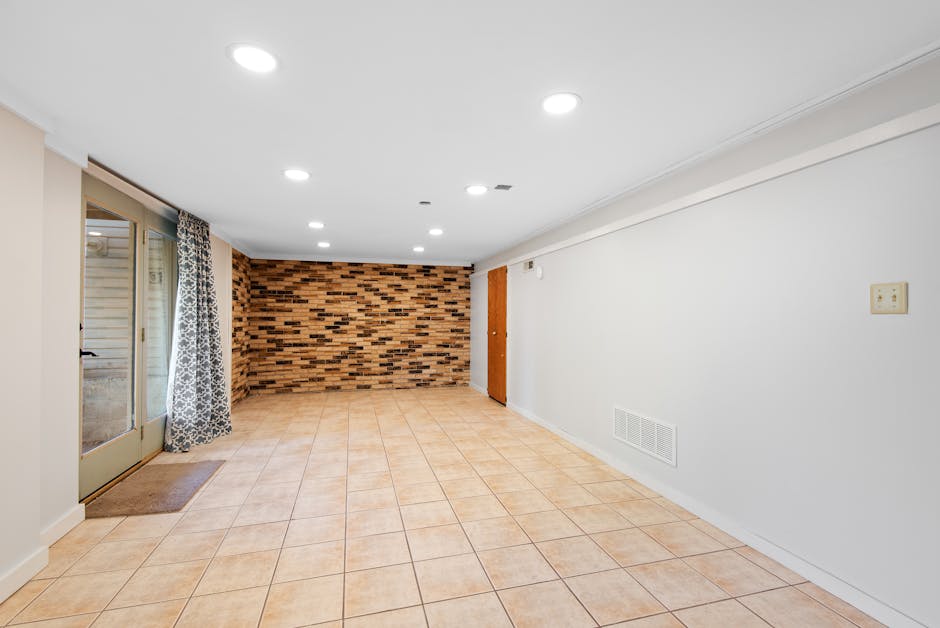
Basement completion cost is a crucial consideration for homeowners looking to maximize their living space and increase home value. On average, completing a basement can recoup about 86% of the project costs, according to the National Association of Realtors’ 2022 report. Here are the main factors:
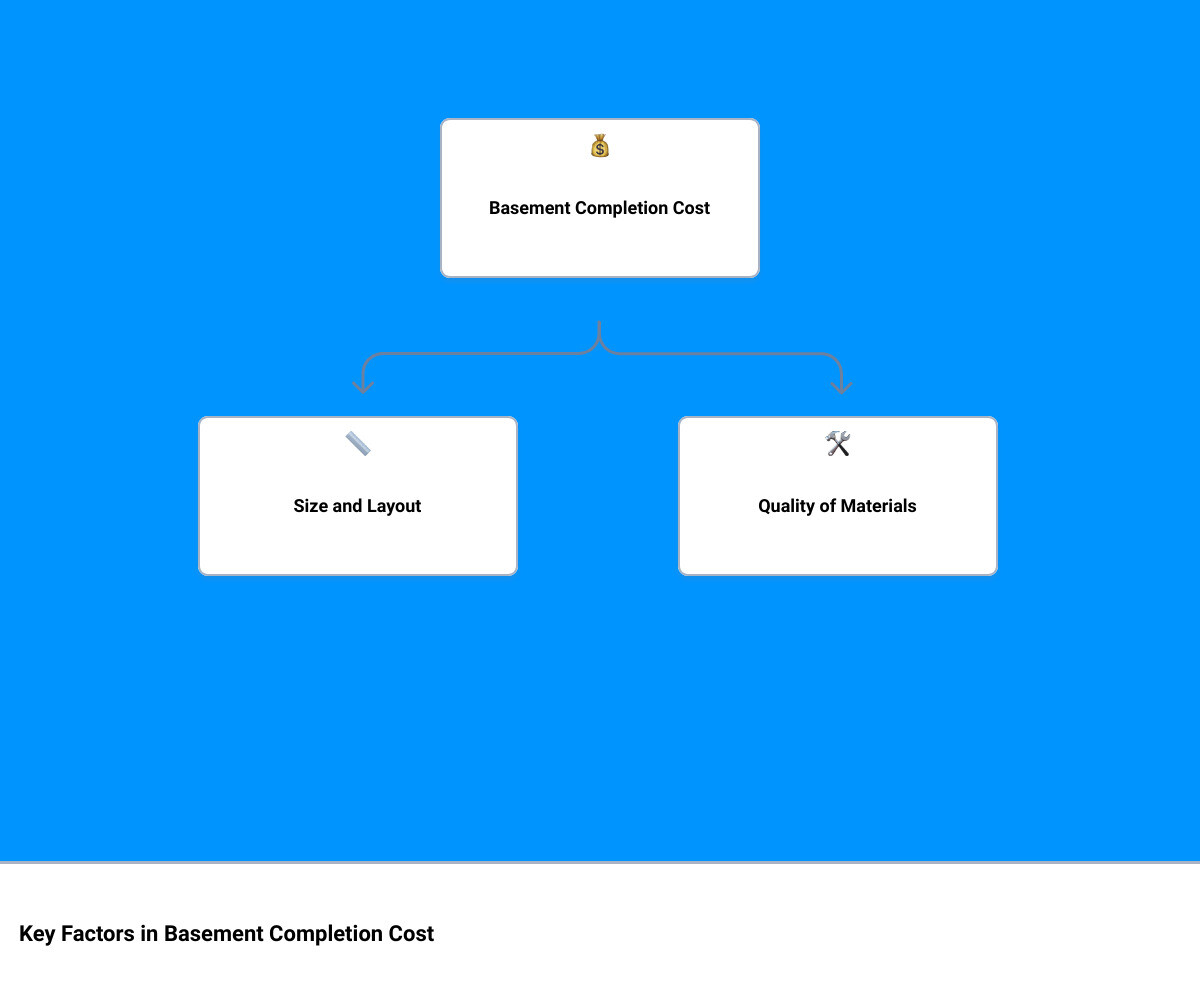
- Size and layout of the basement
- Quality of materials used
- Labor costs
- Permits and building codes
- Additional features like bathrooms or entertainment spaces
Investing in basement completion can be one of the most cost-effective strategies for enhancing your home’s functionality and market appeal. It not only expands usable space but also offers a high return on investment by upping the competitive edge in the resale market.
Jesse Andrews here, owner of New England Home Pros—a seasoned expert in home remodeling since 1992. With decades of expertise in calculating basement completion cost, my team and I focus on quality work done efficiently and within budget.
Glossary for basement completion cost:
– cost of finishing a basement
– cost to finish basement per sq ft
– cost to finish basement with bathroom
Factors Influencing Basement Completion Costs
When planning to complete your basement, understanding the factors that influence costs is essential. Here’s what you need to know:
Size of the Basement
The size of the basement is a primary factor affecting the total cost. Generally, the larger the basement, the higher the cost. The expense typically ranges from $7 to $23 per square foot. Larger basements may require more materials and labor, which can drive up costs. However, they also offer more flexibility in layout options, potentially increasing the overall value of your home.
Quality of Materials
Choosing the right materials is crucial. Midrange materials offer a balance between cost and quality, providing durability without breaking the bank. Meanwhile, high-end materials can add luxury but at a higher price point. It’s important to weigh the long-term benefits of durable materials against their upfront costs. Opting for cost-effective materials can save money in the long run, especially if they require less maintenance or replacement.
Labor Costs
Labor costs can vary widely depending on the complexity of the project and the expertise required. Hiring a general contractor can simplify the process, as they coordinate various trades and ensure the project stays on schedule. However, this can add to the overall cost. Hourly rates for skilled labor, such as electricians and plumbers, can be significant, so it’s crucial to plan and budget for these expenses.
Permits and Building Codes
Navigating permits and building codes is a necessary part of any basement project. Permit fees can vary based on your location and the scope of work. It’s important to comply with local building codes to avoid fines or project delays. Additionally, inspection fees may apply to ensure that the work meets safety standards. Failing to secure the proper permits can lead to complications, especially if you plan to sell your home in the future.
Understanding these factors can help you plan your basement project more effectively, ensuring you stay within budget while achieving the desired outcome.
Breakdown of Basement Completion Costs
When you’re ready to transform your basement into a functional space, understanding the breakdown of costs is crucial. Here’s a detailed look at the various components involved in basement completion.
Framing and Insulation
Framing is the backbone of your basement’s structure. It typically costs between $7 and $16 per linear foot. If you’re planning to divide the space into multiple rooms, the costs can add up quickly.
Insulation is vital for energy efficiency. Low-end options like foam board or fiberglass batting cost around $1.50 to $2.50 per square foot but are prone to water damage. Higher-end spray foam, though more expensive at up to $5 per square foot, offers better durability and insulation.
Drywall and Painting
Installing drywall is essential for finishing your walls. Expect to pay about $2 per square foot for drywall installation. Once installed, professional painting can cost around $3.50 per square foot. If you’re handy with a paintbrush, this is a great area to save by opting for a DIY approach.
Flooring Options
Choosing the right flooring can greatly impact your basement’s look and feel. Budget-friendly options like laminate and carpet range from $3 to $11 per square foot. Hardwood, while more luxurious, can run up to $22 per square foot. Don’t forget to consider moisture barriers to protect your investment, especially in basements prone to dampness.
Plumbing and Electrical Work
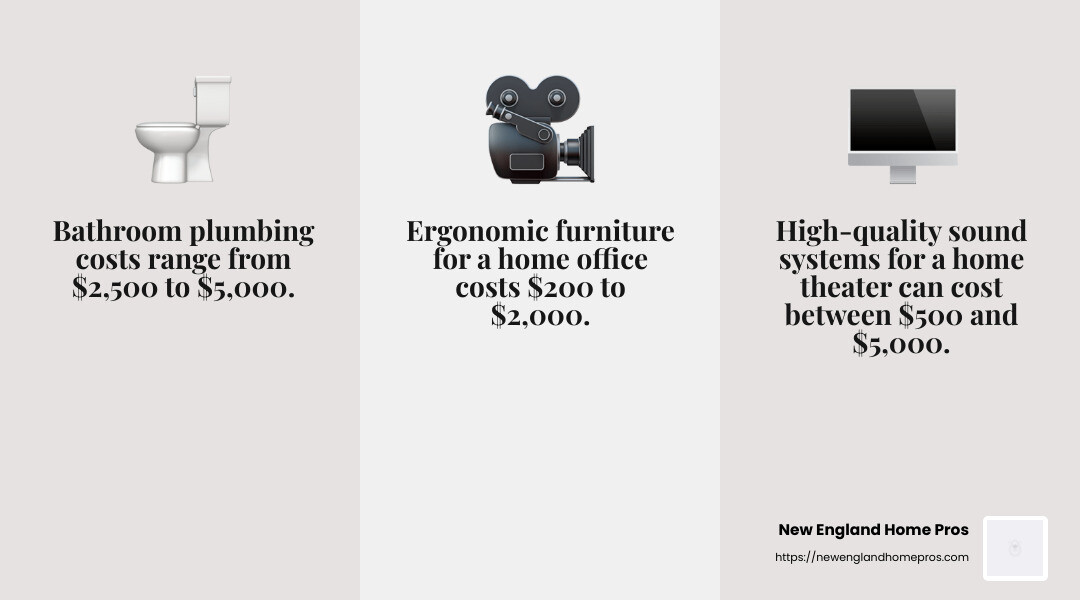
Plumbing and electrical work are best left to the pros. Plumbers charge between $45 and $200 an hour, with total costs ranging from $2,500 to $5,000, depending on the complexity. Electricians, charging $50 to $100 per hour, can cost between $3,000 and $5,000 for a 1,000-square-foot basement. Licensed professionals ensure safety and compliance with codes.
Ceiling Installation
For ceiling installation, you can choose between drywall or a drop ceiling. Drywall ceilings are part of the overall insulation and drywall costs. Drop ceilings, which hide pipes and ducts, range from $2 to $6 per square foot. Your choice will depend on aesthetic preferences and budget constraints.
Waterproofing
Waterproofing is a critical step to prevent water damage. Installing a sump pump, adding vapor barriers, or implementing French drains can safeguard your investment. These measures can vary widely in cost but are essential for maintaining a dry and secure basement environment.
By understanding these components and their costs, you can better plan your basement completion project, ensuring it meets both your functional needs and budget constraints.
Additional Features and Customizations
Once you’ve covered the basics of your basement completion, it’s time to think about additional features and customizations that can truly make the space your own. Whether you’re looking to add a bathroom, a home theater, or a gym, these improvements can lift your basement to new levels of functionality and enjoyment.
Adding a Bathroom or Kitchenette
Adding a bathroom or kitchenette to your basement can significantly increase its utility and value. Bathrooms require careful planning for plumbing and fixtures. Expect plumbing installation costs to range from $2,500 to $5,000, depending on the complexity and existing infrastructure. Fixtures and cabinetry can vary widely in price, with budget options starting around $1,500 and high-end finishes reaching $15,000 or more.
For a kitchenette, focus on compact appliances and efficient use of space. Cabinets and countertops can be sourced from midrange materials to keep costs manageable. Using existing plumbing lines can save you a substantial amount of money.
Home Theater or Entertainment Space
Changing your basement into a home theater or entertainment space can be a game-changer for family fun and gatherings. Lighting and soundproofing are key considerations in creating the perfect ambiance. Installing dimmable lights and acoustic panels can improve the viewing and listening experience.
Seating is another important element. From cozy sectional sofas to tiered theater seating, the choices are endless. Costs will vary based on style and materials, so set a budget that fits your needs. High-quality sound systems can range from $500 to $5,000, depending on your preferences for audio fidelity.
Home Office or Gym
With more people working from home, a home office is a smart addition. Invest in ergonomic furniture to ensure comfort during long work hours. Desks and chairs designed for ergonomics can cost anywhere from $200 to $2,000. Consider adding flooring that suits an office environment, such as laminate or carpet, which also help with sound absorption.
Alternatively, if fitness is your focus, a home gym can be an excellent use of basement space. Invest in durable equipment like treadmills, weights, and mats. Rubber flooring is ideal for gyms, offering durability and noise reduction. Equipment costs can range from a few hundred dollars for basic setups to several thousand for advanced machines.
By carefully planning these features and customizations, you can transform your basement into a versatile and enjoyable space that suits your lifestyle and improves your home’s value.
Cost-Saving Tips for Basement Completion
Changing your basement doesn’t have to break the bank. With some smart strategies, you can create a functional and beautiful space while keeping costs in check. Here are some tips to help you save money on your basement completion project.
DIY-Friendly Tasks
Tackling some tasks yourself can significantly cut down on labor costs. Painting is a great DIY project that can refresh your basement without requiring professional help. With the right tools and some patience, you can achieve a professional finish.
Tiling is another task that, with a bit of practice, can be done by homeowners. Whether it’s the floor or a backsplash, DIY tiling can save you a lot of money. Lastly, a thorough clean-out of your basement before starting the project can help you identify what you really need and what can be repurposed or discarded.
Choosing Affordable Materials
Opting for mid-grade materials can help balance quality and cost. These materials often offer durability and a good look without the high price tag of premium options. Look for floor models, seconds, or gently used items to find bargains. These can be just as functional and aesthetically pleasing as new items, but at a fraction of the cost.
When selecting flooring, consider laminate or vinyl tiles. They are cost-effective and moisture-resistant, making them ideal for basements. For lighting fixtures, switch plates, and other accessories, mid-range options can provide a polished look without the hefty price.
Efficient Use of Space
An open floor plan can reduce costs significantly by minimizing the need for additional walls and partitions. This approach not only saves on materials like framing and drywall but also creates a spacious and versatile area that can be adapted for multiple uses.
Use existing plumbing and electrical lines to avoid the high costs associated with rerouting. By positioning kitchens, bathrooms, or laundry areas near existing hookups, you can save both time and money.
Minimal partitions can also help maintain an open feel while providing necessary separation. Use furniture, rugs, or curtains to define spaces without the need for permanent walls.
By incorporating these cost-saving measures, you can achieve a stunning basement change that fits your budget.
Frequently Asked Questions about Basement Completion Costs
What is the most expensive part of finishing a basement?
When it comes to finishing a basement, materials often account for a large portion of the budget. This includes everything from framing and insulation to drywall and flooring. Each of these elements plays a crucial role in changing an unfinished space into a comfortable living area.
Framing and insulation are typically the most costly components. Framing provides the structure for walls and partitions, while insulation is key for energy efficiency and comfort. According to the research, insulation costs can range from $1,400 to $6,300, depending on the size of the basement and the type of insulation used.
Drywall and flooring are also significant expenses. Drywall installation can cost between $800 and $3,000, and flooring options like laminate or vinyl can range from $1,500 to $4,500. Choosing cost-effective materials without compromising on quality can help manage these expenses.
Is finishing a basement worth the money?
Investing in a finished basement can be a smart financial decision. Not only does it add valuable living space to your home, but it also improves its resale value. A finished basement can serve as an extra bedroom, home office, or entertainment area, making your home more appealing to potential buyers.
The return on investment (ROI) for a finished basement can range from 50% to 80%, depending on your local real estate market and the quality of the work completed. This means that while you may spend a significant amount upfront, the increase in your home’s value can offset much of that cost when you decide to sell.
How much does it cost to finish a 200 sq ft basement?
The cost to finish a basement is often calculated on a per square foot basis. For a 200 square foot basement, the cost can range from $1,400 to $4,600, based on the average rate of $7 to $23 per square foot. This range accounts for basic finishing tasks such as framing, drywall, flooring, and painting.
It’s important to consider that additional features like plumbing, electrical work, or high-end materials can push the cost higher. However, by opting for mid-range materials and focusing on essential elements, you can keep the total cost within a reasonable range while still achieving a functional and attractive space.
Conclusion
In summary, finishing your basement is a valuable investment that can significantly improve your home’s living space and resale value. By changing an underused area into a functional and inviting environment, you not only increase your home’s square footage but also create opportunities for versatile use—be it a home office, entertainment zone, or additional bedroom.
Partnering with a professional contractor like New England Home Pros ensures that your basement project is handled with expertise and precision. Located in Londonderry, NH, New England Home Pros brings years of experience and a commitment to customer satisfaction to every project. Our team is dedicated to delivering high-quality craftsmanship and personalized service, ensuring that your vision for your basement becomes a reality.
We understand the importance of balancing basement completion costs with quality and functionality. Our approach includes using mid-range materials that offer durability without breaking the bank, and we provide expert guidance throughout the process to help you make informed decisions.
Choosing New England Home Pros means choosing a trusted partner for your home improvement needs. Our focus on detail and customer satisfaction sets us apart as a top-rated contractor in the region. Whether you’re in Londonderry or the surrounding areas, our team is ready to help you transform your basement into a space you’ll love.
Contact us today to start your basement finishing project and experience the benefits of working with a team that values quality, expertise, and your satisfaction.