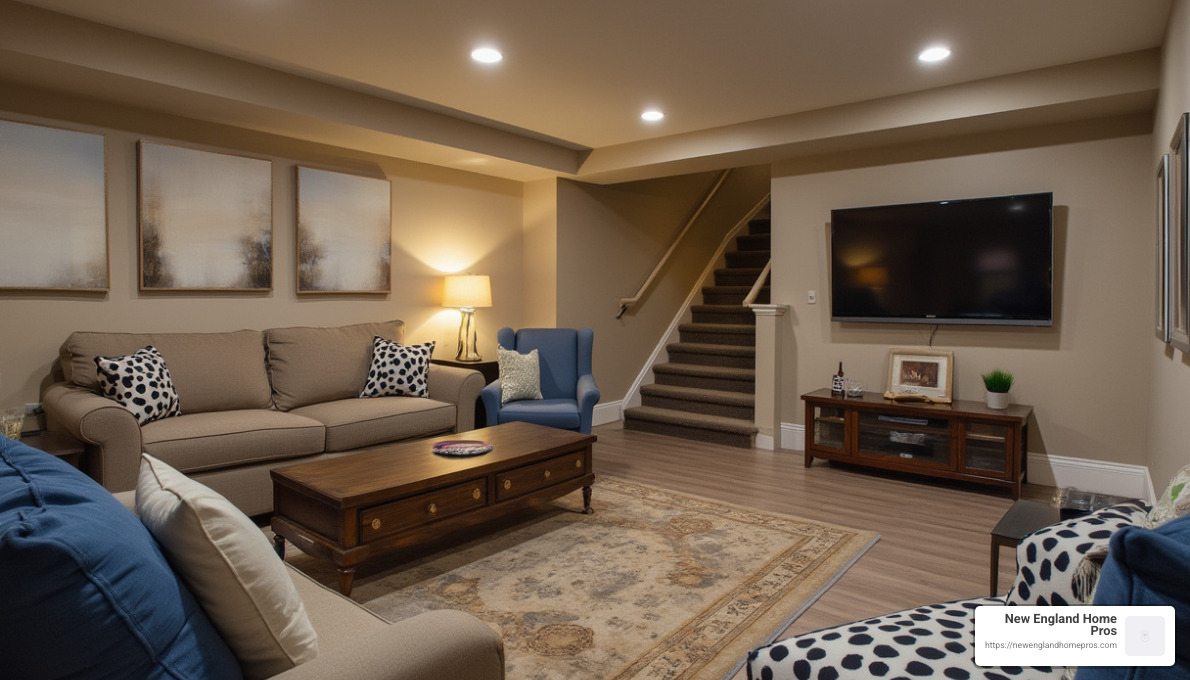
Average cost to finish a basement 2024 is a topic that piques the interest of many homeowners looking to maximize their investment. For quick insight: the cost can range from as low as $25,000 to upwards of $70,000, depending on various factors. This includes materials, labor, and specific features added during the remodel.
Finishing a basement is more than just a pursuit of luxury; it’s an astute investment that improves home value. By changing unused space into functional living areas, homeowners not only expand their living quarters but also increase the resale value of their property. Many find that a well-finished basement can yield a return on investment (ROI) of up to 70%. Such improvements make an unfinished basement a treasure trove of potential.
I’m Jesse Andrews, owner of New England Home Pros, with experience in delivering top-notch basement finishing services since 1992. With a focus on changing basements into valuable living spaces, I have a keen understanding of the factors impacting the average cost to finish a basement 2024, ensuring your home improvements are both beautiful and budget-compliant.
Let’s dive deeper into understanding these expenses and the tremendous impact they have on your home’s value.
Average cost to finish a basement 2024 helpful reading:
– basement contractor
– basement remodel companies
– basement remodeling company near me
Understanding the Average Cost to Finish a Basement 2024
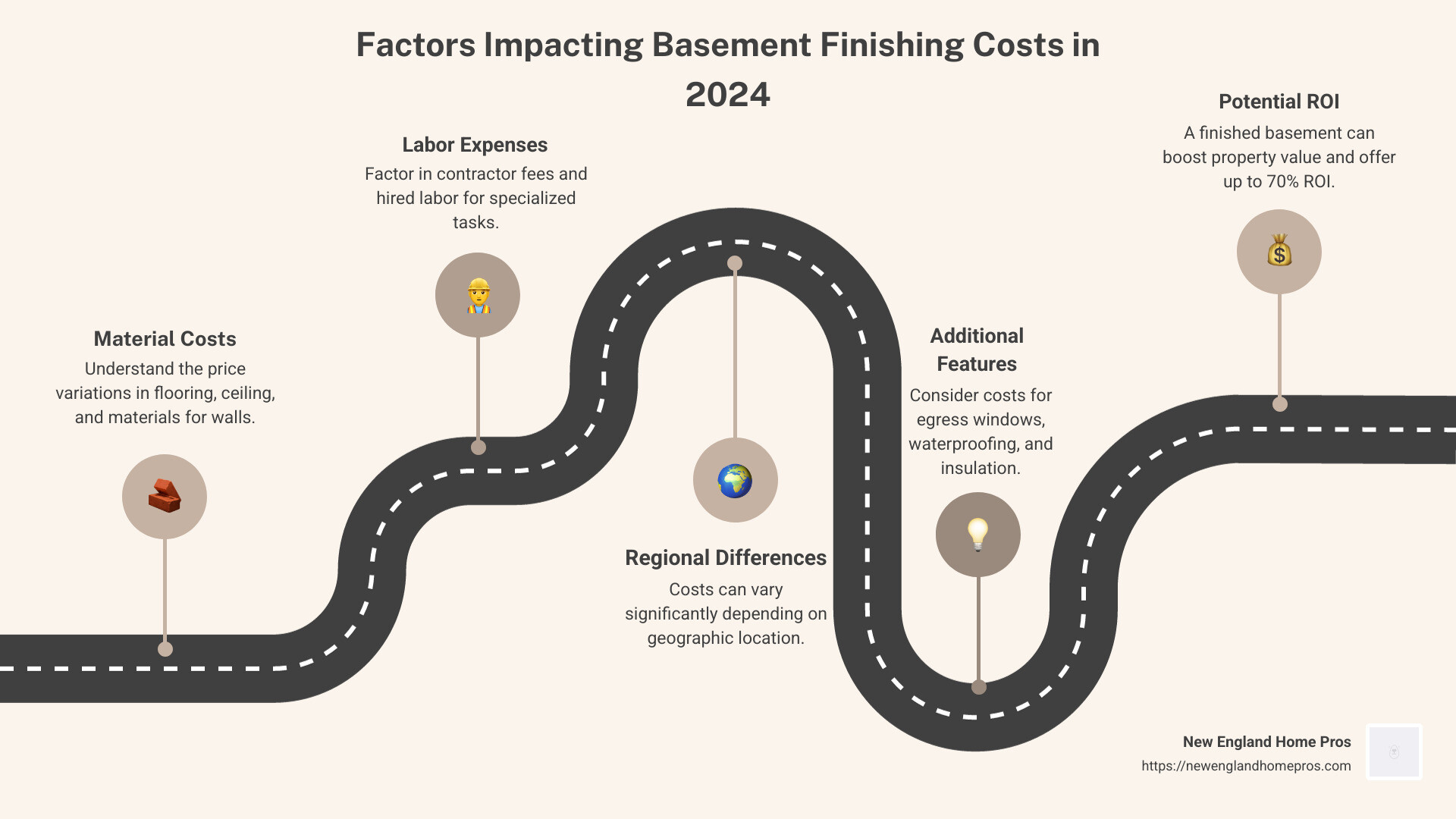
When it comes to the average cost to finish a basement 2024, several factors come into play. These include the size of the basement, regional differences, and specific cost components like materials, labor, and permits. Understanding these elements can help homeowners budget effectively and make informed decisions.
Cost Breakdown by Basement Size
The size of your basement is a primary determinant of the overall cost. On average, costs can range from $7 to $23 per square foot. Here’s a simple table to illustrate how size impacts cost:
| Basement Size (sq ft) | Cost Range |
|---|---|
| 400 sq ft | $2,800–$9,200 |
| 1,000 sq ft | $7,000–$23,000 |
| 1,500 sq ft | $10,500–$34,500 |
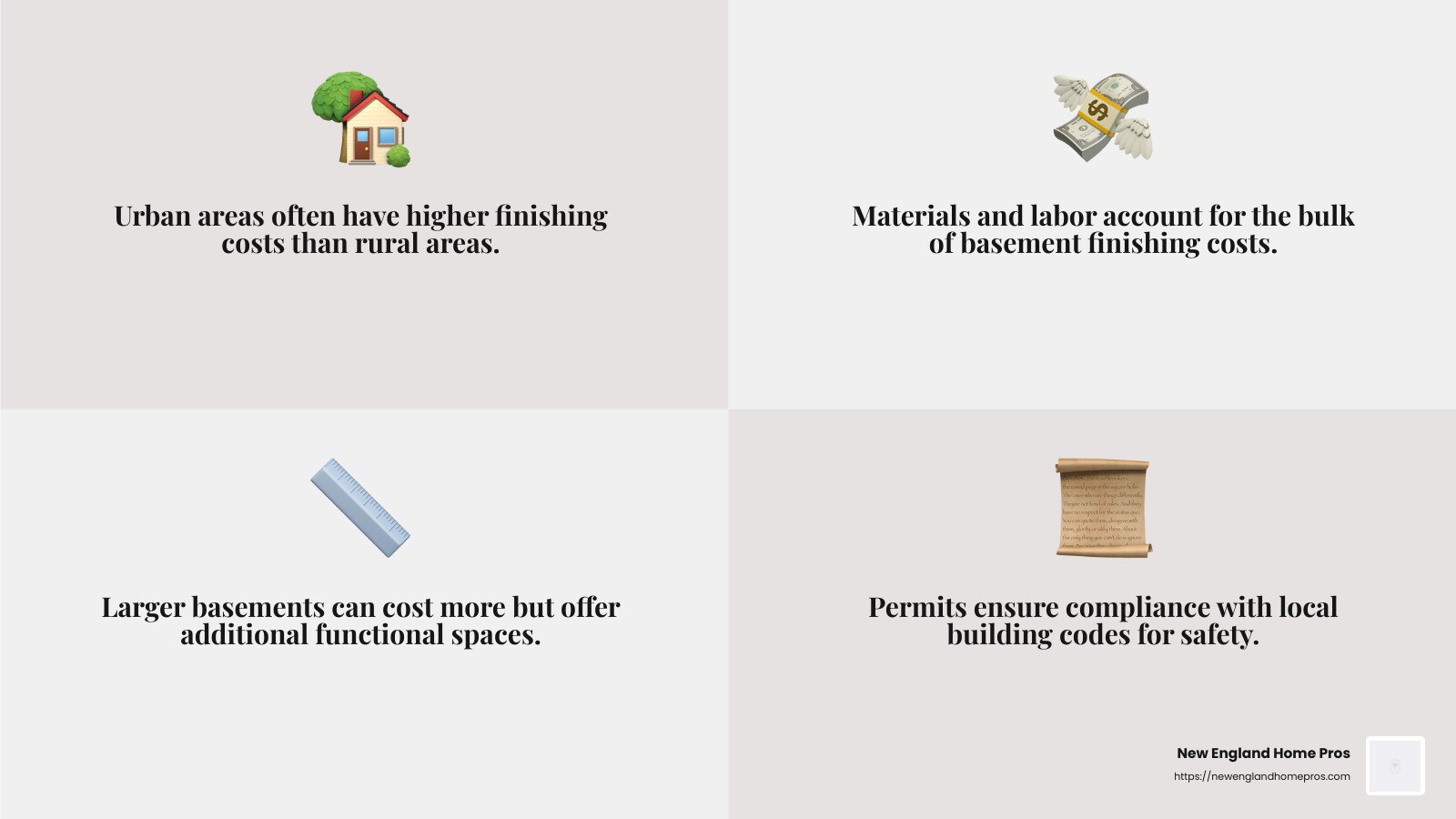
Larger basements typically cost more due to increased material and labor needs. However, they also offer more potential uses, such as additional bedrooms, home offices, or entertainment areas.
Major Cost Factors
Materials play a significant role in the cost. Choices like vinyl, laminate, or carpet for flooring can vary widely in price. Drywall installation for a 1,000 sq ft basement can range from $800 to $3,000.
Labor is another substantial expense, often accounting for about 40% of the total cost. This includes skilled trades like plumbing and electrical work, which are crucial for a safe and functional basement. Hiring a general contractor might add 10% to 25% to the project cost but provides peace of mind with professional oversight.
Permits are necessary to ensure compliance with local building codes. While they add a few hundred dollars to the project, they are essential for legal and safety reasons.
Regional Differences
Costs can vary significantly by region. Urban areas tend to have higher labor and material costs compared to rural locations. For instance, finishing a basement in a busy city like New York might be pricier than in a smaller town.
By understanding these factors, homeowners can better steer the financial landscape of basement finishing. This knowledge not only aids in budgeting but also helps in maximizing the return on investment.
Next, we’ll explore the key components involved in basement finishing, including flooring, ceiling, and essential electrical and plumbing work.
Key Components in Basement Finishing
When considering the average cost to finish a basement 2024, understanding the key components is crucial. These include flooring, ceiling, and essential electrical and plumbing work. Each element affects both the budget and the overall quality of your basement finish.
Flooring Options and Costs
Choosing the right flooring is a big decision for your basement. Here are some popular options:
- Vinyl and Laminate: These are budget-friendly and durable. Vinyl can mimic hardwood or tile and costs about $3 to $11 per square foot. Laminate is similarly priced and easy to install using floating floor techniques.
- Carpet: Adds warmth and comfort, especially in colder climates. Carpet costs range from $3 to $11 per square foot. It’s often installed using a glue-down method for a snug fit.
- Hardwood: While beautiful, hardwood can be pricey, up to $22 per square foot. It’s not always ideal for moisture-prone areas like basements. Installation typically involves a nail-down method.
On average, installing flooring in a 500 square foot basement can cost between $1,500 and $4,500. Vinyl and laminate are on the lower end, while hardwood is on the higher end.
Ceiling and Drywall Costs
Creating the right ceiling look and drywall finish can transform your basement. Here are some options:
- Drywall: Offers a clean and polished look. Installing drywall in a 1,000 square foot basement costs around $1,610.
- Drop Ceiling: Provides easy access to plumbing and wiring, with costs ranging from $2 to $6 per square foot.
- Exposed Ceilings: For an industrial vibe, spray painting exposed ductwork costs about $400.
Drywall installation, including framing and insulation, typically costs about $2 per square foot, averaging $1,750 for a 1,000 square foot basement.
Essential Electrical and Plumbing Work
Electrical and plumbing work are vital for a functional and safe basement:
- Wiring: Installing new electrical wiring in a 1,000 square foot basement can cost around $4,000. Good lighting is crucial, with new fixtures costing about $360 each.
- Plumbing: Costs vary based on complexity. Simple inspections are cheaper, while adding new plumbing lines, such as for a bathroom, can be costly. Hourly rates for plumbers range from $45 to $200.
Electrical work can total around $5,300, covering wiring, lighting, and outlets. Plumbing costs depend on your specific needs and existing infrastructure.
By understanding these key components, you can make informed decisions and manage your basement finishing project effectively. Next, we’ll explore additional features that improve your basement, such as egress windows and waterproofing.
Enhancing Your Basement: Additional Features
Egress Windows and Safety
When finishing your basement, egress windows are a critical safety feature. They serve as emergency exits and must meet specific size requirements. According to safety standards, an egress window should have a minimum opening of 5.7 square feet, with a height of at least 24 inches and a width of 20 inches. These dimensions ensure that an adult can easily escape in case of an emergency.
Installation Costs for egress windows can vary significantly. On average, adding an egress window costs between $3,000 and $7,000. This includes the price of the window itself and the labor involved in installation. Factors such as excavation and avoiding utility lines can increase costs.
It’s essential to consider the local building codes and safety regulations when planning for egress windows. These windows not only provide safety but also allow natural light into the basement, enhancing the overall ambiance.
Importance of Waterproofing
Waterproofing is crucial for maintaining a dry and comfortable basement environment. It helps prevent moisture, mold, and structural damage.
There are two primary methods of waterproofing:
- Interior Waterproofing: This involves sealing walls and floors, installing sump pumps, and using interior drainage systems. Interior waterproofing is often more affordable, with costs ranging from $500 to $1,500 for sealing and $1,200 to $2,500 for sump pump installation.
- Exterior Waterproofing: This method is more comprehensive and involves excavating around the foundation, applying waterproof coatings, and installing exterior drainage systems. Exterior waterproofing can be more costly, typically ranging from $5,000 to $15,000.
The long-term benefits of waterproofing include preventing water damage, increasing home value, and improving energy efficiency by maintaining consistent temperatures. A well-waterproofed basement also reduces the risk of mold and mildew, contributing to a healthier living space.
By incorporating these additional features, such as egress windows and waterproofing, you can significantly improve the safety and functionality of your basement. Next, we’ll explore how to customize your basement space to suit your needs, including adding a bathroom or creating a comfortable living area.
Customizing Your Basement Space
Adding a Basement Bathroom
Adding a bathroom to your basement can be a game-changer, changing it into a more functional and valuable space. However, there are some complexities to consider, especially when it comes to plumbing.
If your basement is below the main sewer line, you might need a sump pump to manage waste. This can add to the cost, but it’s essential for proper functionality. Using existing plumbing lines can help save money, but installing new plumbing could mean breaking through concrete, which is more costly.
Fixture Costs vary widely. Basic toilets, sinks, and showers can cost between $200 and $500 each. If you’re aiming for a more luxurious setup, high-end fixtures can go up to $1,500 per item. Labor costs for a licensed plumber typically range from $50 to $100 per hour.
Despite these costs, adding a bathroom can offer a 50% to 70% return on investment (ROI). It’s a smart way to boost your home’s value and appeal.
Creating a Comfortable Living Space
When turning your basement into a living space, comfort is key. Focus on insulation, heating, and air quality to create a cozy environment.
Insulation is crucial for maintaining a consistent temperature. It helps keep the space warm in winter and cool in summer, reducing the workload on your HVAC system. This not only makes the basement more comfortable but also improves energy efficiency.
Heating options like electric baseboards or radiant floor heating can provide consistent warmth. Pair this with a dehumidifier to maintain good air quality and prevent humidity buildup.
Consider an open floor plan to make the space feel larger. This approach eliminates the need for extra walls and doors, saving on material and labor costs. It also makes the area versatile for various activities, from entertainment to relaxation.
By investing in these elements, you can transform a basement into a welcoming extension of your home. Whether you envision a cozy family room, a home theater, or a guest suite, customizing your basement can significantly improve its utility and enjoyment.
Frequently Asked Questions about Basement Finishing
Does a finished basement add to home value?
Absolutely! A finished basement can significantly boost your home’s resale value. By adding more livable space, you’re not only enhancing the functionality of your home but also making it more attractive to potential buyers. According to the National Association of Realtors, converting a basement into a living area can yield about a 70% return on investment (ROI). This added space is especially appealing in competitive real estate markets where every square foot counts.
What are the legal requirements for a basement bedroom?
Before you convert your basement into a bedroom, it’s crucial to meet specific legal safety requirements. The most important is having an egress window. According to the International Residential Code (IRC), any habitable basement space larger than 200 square feet must have more than one means of egress. This is typically a window or a door that allows easy exit during emergencies.
For a basement bedroom, the egress window should have a minimum opening of 5.7 square feet, with a height of at least 24 inches and a width of 20 inches. These dimensions ensure that occupants can exit quickly if needed. Always check your local building and fire codes to ensure full compliance.
How long does it typically take to finish a basement?
The timeline for finishing a basement varies based on the size and complexity of the project. On average, a straightforward basement finishing project can take 4 to 8 weeks. Here’s a rough breakdown:
- Planning and Permits: 1-2 weeks
- Framing and Insulation: 1-2 weeks
- Electrical and Plumbing: 1-2 weeks
- Drywall and Painting: 1-2 weeks
- Flooring and Finishing Touches: 1-2 weeks
Hiring professionals can help speed up the process, as they bring the expertise and resources necessary to complete the project efficiently. If you choose to go the DIY route, keep in mind that it may take longer, especially if you’re learning new skills along the way. Always consider potential delays due to inspections, material availability, and unexpected issues.
Conclusion
Finishing your basement is a wise investment that improves your home’s value and functionality. At New England Home Pros, we understand the importance of a well-executed basement project. With our expertise in home remodeling, we ensure that your basement change is seamless and meets the highest standards.
Why Invest in Basement Finishing?
A finished basement isn’t just about adding more space; it’s about maximizing your home’s potential. By converting an unused area into a vibrant living space, you’re making a smart financial decision. The 70% return on investment (ROI) for basement projects is a testament to their value, especially in competitive real estate markets. This makes your home more appealing to buyers, offering them additional living space without the need for a costly home addition.
Our Commitment to Customer Satisfaction
At New England Home Pros, customer satisfaction is at the heart of what we do. We pride ourselves on our attention to detail and quality craftsmanship. From the initial consultation to the final touches, we work closely with you to ensure your vision comes to life. Our team is dedicated to providing a stress-free experience, handling every aspect of the project with professionalism and care.
Our services extend beyond just basement finishing. We offer a comprehensive range of home improvement solutions, including kitchen and bathroom remodeling, and custom deck building. With locations in Auburn, Bedford, Chester, Derry, Hudson, Litchfield, Manchester, Pelham, Salem, and Windham, NH, we are well-equipped to serve homeowners throughout the region.
Ready to transform your basement into a space that adds value and comfort to your home? Contact New England Home Pros today and let us help you create the basement of your dreams.