

Basement finishing is a smart way to increase your home’s value and expand your living space without the expense of a new addition. Starting this project transforms your basement from a cluttered storage area into a cozy family room, a sleek home office, or even a private guest suite.
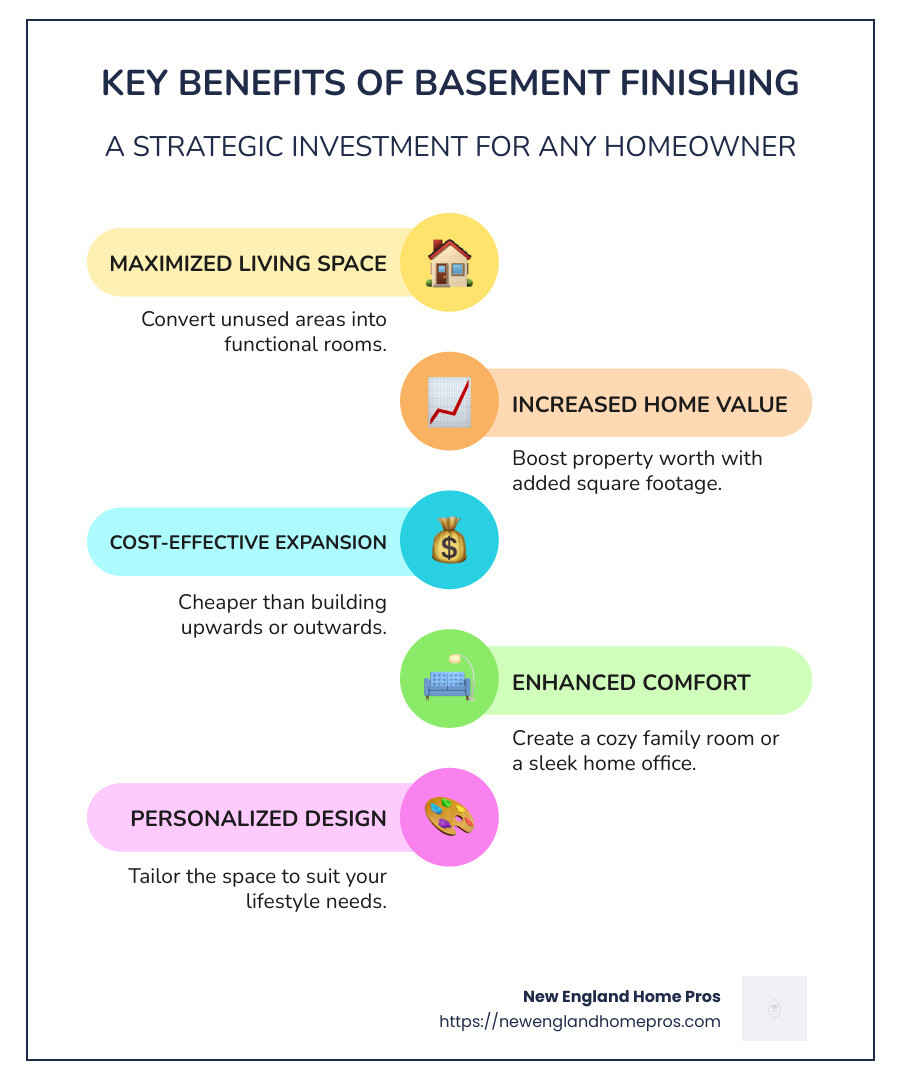
Essentially, basement finishing offers these key benefits:
- Maximized Living Space: Transform unused areas into functional rooms.
- Increased Home Value: Boosts property worth with added square footage.
- Cost-effective Expansion: Cheaper than building upwards or outwards.
When considering basement remodeling, it’s crucial to focus on planning and design to improve the functionality and comfort of the space. At New England Home Pros, I, Jesse Andews, bring over three decades of experience in basement finishing. My team specializes in changing these hidden gems into valuable parts of your home. Let’s dig deeper into the essentials of this transformative process.
Planning Your Basement Renovation
Assessing Your Space
Before you start picking out paint colors or furniture, get a clear understanding of your basement’s current condition. Begin with a thorough inspection to identify any signs of water damage or mold. These issues can jeopardize your renovation and should be addressed before any work begins.
Structural integrity is another critical factor. Check for sagging floor joists or insect damage, particularly in wood-framed areas. Use an awl to probe for rot in floor joists and sill plates. If you find any structural concerns, consult a professional.
Ceiling height matters too. The International Code Council (ICC) states that occupiable spaces should have a minimum ceiling height of 7.5 feet. However, local codes might have different requirements, so check with your local building department to ensure compliance.
Creating a Functional Layout
A well-thought-out layout is key to a successful basement change. Prioritize areas with the most natural light. For spaces like bedrooms, ensure you have an egress window, which is crucial for safety and compliance with building codes.
Consider designing multi-purpose areas to adapt to your family’s evolving needs. An open floor plan can serve as a home office during the day and a guest room at night with the right furniture. Movable partitions or sliding doors can help create flexible spaces.
Budgeting for Your Project
Creating a realistic budget is vital for avoiding financial pitfalls during your renovation. Costs can vary widely based on the scope of work and the materials chosen. Here’s a quick breakdown of what to consider:
- Materials: Choose cost-effective yet durable options like luxury vinyl plank flooring.
- Labor: Hiring professionals for complex tasks like plumbing and electrical work can save you time and money in the long run.
- Permits: Don’t overlook the cost and time needed to obtain necessary permits.
- Contingency Fund: Set aside 10%–15% of your total budget for unforeseen expenses, such as unexpected structural repairs.
By planning carefully and addressing these key elements, you can ensure a smooth and successful basement renovation project.
Basement Pre-Renovation Checks
Before diving into basement finishing, it’s crucial to address potential issues that could compromise your new living space. These checks will help ensure your basement is safe, dry, and built to last.
Moisture and Water Issues
Water is the bane of any basement. Start by conducting a moisture test. Tape 2-foot squares of plastic sheeting to the floor and walls. Wait a couple of weeks and check for condensation. Moisture under the plastic means your foundation needs sealing. If condensation forms on top, dehumidification is needed.
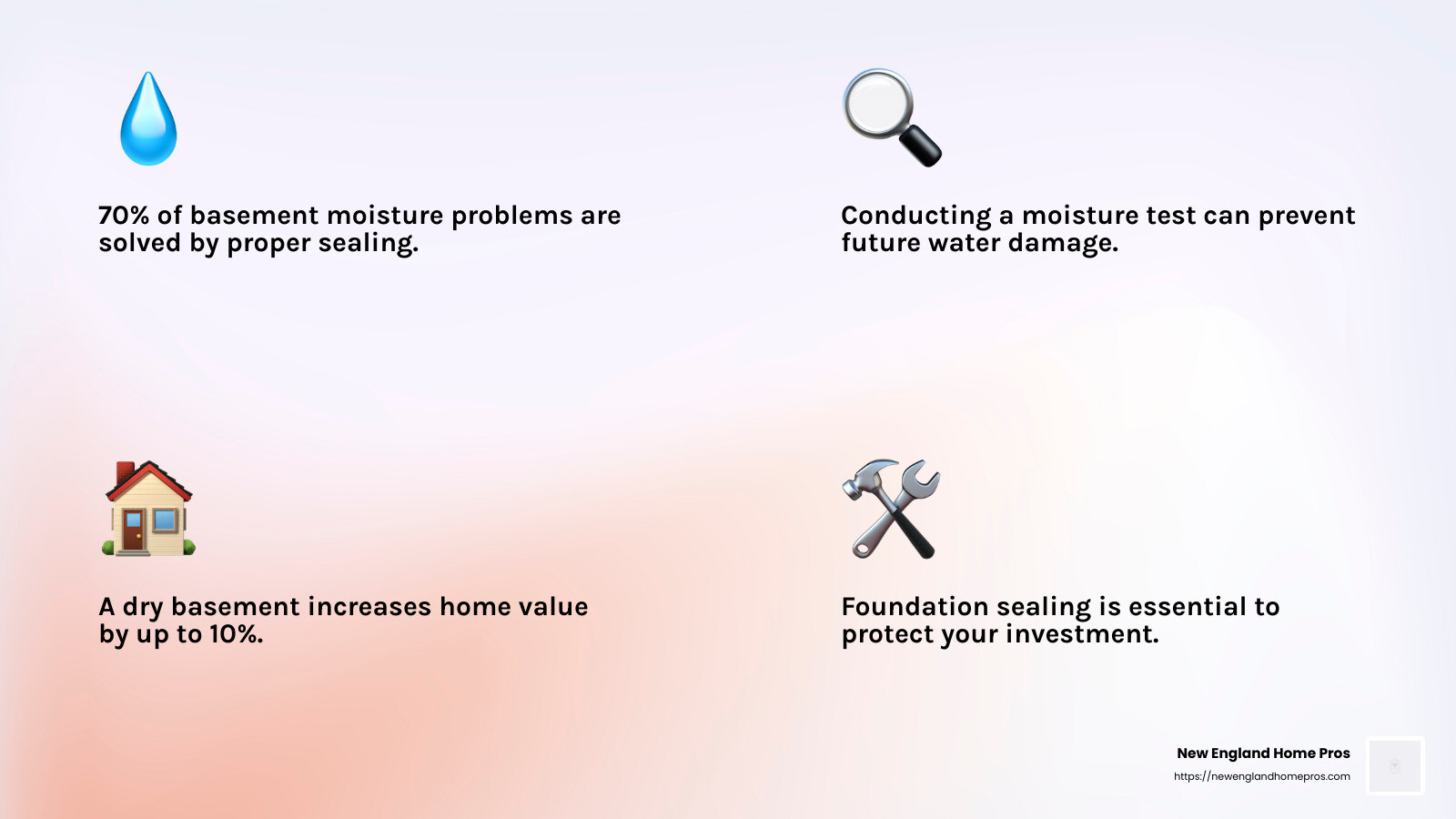
Addressing water issues early is vital. Consider sealing your foundation and installing a dehumidifier to maintain optimal humidity levels. This can prevent future damage and mold growth, ensuring a dry and comfortable space.
Structural Integrity
Inspect your basement’s structural elements carefully. Use an awl to probe floor joists, rim and header joists, and sill plates for signs of rot or insect damage. Check for sagging joists from a ladder. If you notice any structural concerns, consult a professional.
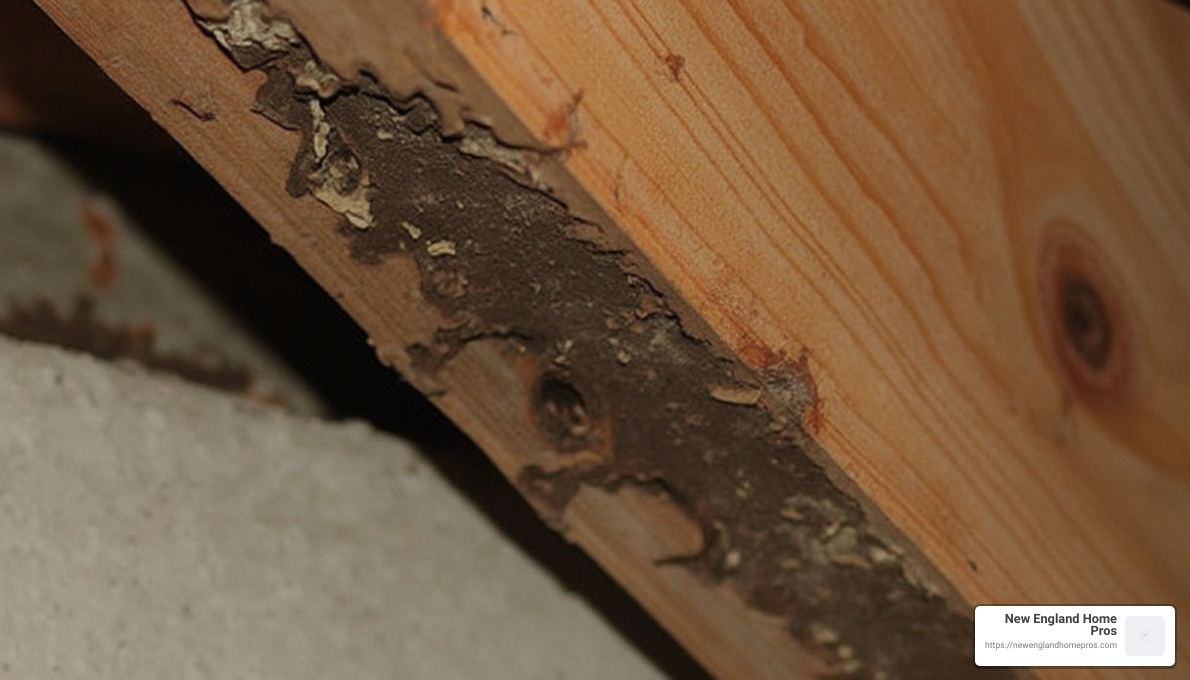
Ignoring these issues can lead to costly repairs down the line. Ensuring your basement’s structure is sound will provide a solid foundation for your renovation.
Electrical and Plumbing Systems
Have a licensed electrician inspect your basement’s electrical system. They can ensure it can handle the increased load of a finished space. Similarly, a plumber should evaluate your plumbing, especially if you plan to add a bathroom or wet bar.
Addressing these systems early can save you time and money. Proper planning and evaluation will help you avoid disruptions during your basement renovation.
By tackling these pre-renovation checks, you lay the groundwork for a successful and long-lasting basement change.
Navigating Permits and Regulations
Before you start any basement finishing project, it’s important to understand the permits and regulations involved. This part of the process ensures your renovation is safe and up to code.
Local Building Department
First, visit your local building department. They will provide you with the specific requirements and permits needed for your area. Permits help protect you and future homeowners by ensuring the work meets safety standards and building codes.
Safety Standards and Building Codes
Safety standards and building codes are in place to protect everyone who enters your home. They cover everything from electrical wiring to egress windows. For example, the International Code Council (ICC) requires a minimum ceiling height of 7.5 feet in occupiable spaces. However, local codes might be stricter, so always check your local requirements.
Licensed Contractors
Working with licensed contractors can simplify the permit process. They are familiar with local regulations and can handle the paperwork for you. Licensed contractors also ensure that the work is done safely and correctly. They have the expertise to steer complex regulations and can help avoid costly mistakes.
Involving the right professionals and understanding the necessary permits and regulations are critical steps in a successful basement renovation. This will help you avoid headaches and ensure your new space is safe and compliant.
Choosing the Right Materials for Your Basement
When it comes to basement finishing, selecting the right materials is crucial. Basements have unique challenges, like moisture and temperature fluctuations, that require special attention. Here’s how you can choose the best materials for a durable and comfortable basement.
Moisture-Resistant Options
Moisture is a major concern in basements. To prevent mold and structural damage, opt for moisture-resistant options like mold-resistant drywall. USG’s Sheetrock Brand Mold Tough Gypsum Panels and Georgia-Pacific’s DensArmor Plus High-Performance Interior Panels are excellent choices. These panels are specifically designed to resist mold, making them ideal for below-grade environments.
Insulation Considerations
Proper insulation is key to maintaining a comfortable temperature in your basement. Rigid foam insulation is a great option to use against foundation walls. It provides both moisture resistance and thermal insulation. For the ceiling, consider using fiberglass batts without a vapor barrier. This helps with soundproofing while allowing moisture to escape, reducing the risk of mold.
Flooring
Choosing the right flooring is important for both comfort and durability. Luxury vinyl plank (LVP) is a popular choice for basements. It mimics the look of wood but offers superior water resistance and durability. If you prefer a softer feel, consider low-pile carpeting with a moisture-resistant pad. Avoid using solid hardwood in basements, as it can warp and buckle due to moisture.
By selecting the right materials, you’ll create a basement that is not only beautiful but also resilient to common basement challenges. This careful planning will pay off in a space that’s both functional and long-lasting.
Tackling Common Basement Challenges
Finishing a basement comes with its own set of challenges, but with some smart planning, these can be effectively managed. Let’s tackle some common issues and explore solutions to make your basement a more comfortable and usable space.
Increasing Headroom
Lack of headroom can make a basement feel cramped. If structural changes like digging deeper are too costly, consider relocating ductwork or pipes to gain a few extra inches. Another option is to install a suspended ceiling that can hide mechanical elements while maintaining maximum height. This approach can help you meet building codes without major reconstruction.
Improving Natural Light
Basements often suffer from limited natural light, making them feel more like a cave than a cozy room. To brighten things up, consider enlarging existing windows or adding new ones. If windows aren’t feasible, light tubes can channel sunlight from the roof down to your basement. Additionally, using light colors on walls and ceilings can reflect and amplify available light, creating a more inviting atmosphere.
Managing Humidity and Ventilation
Humidity control is crucial to prevent mold and maintain air quality. Installing a high-quality dehumidifier can help keep moisture levels in check. For better air circulation, consider adding an energy recovery ventilator (ERV) or heat recovery ventilator (HRV). These systems bring in fresh air without losing energy, helping to maintain a healthy environment.
Keeping Water Out
Water intrusion is a common basement woe. Simple fixes can often solve these issues. Install gutter diverters to direct rainwater at least 10 feet away from your foundation. Ensure the soil slopes away from your home to prevent pooling. For small cracks, use a concrete-patching compound. Larger cracks might require hydraulic cement, which expands as it cures, sealing gaps effectively.
Soundproofing Your Ceiling
Basements can be noisy, especially if they’re below active living areas. To soundproof your ceiling, place fiberglass batts between joists. Attach resilient clips and metal furring channels before fastening drywall. This setup isolates the drywall from the joists, reducing sound vibrations and creating a quieter space.
By addressing these challenges head-on, you can transform your basement into a functional and comfortable part of your home, ready for whatever purpose you envision.
DIY vs. Professional Basement Renovation
Deciding whether to tackle your basement finishing project yourself or hire professionals is a big decision. Let’s break down what you can do on your own and when it’s best to call in the experts.
Tasks Suitable for DIY
Some parts of a basement renovation are perfect for DIY enthusiasts. If you enjoy getting your hands dirty and have some basic skills, consider tackling:
- Painting: Refreshing walls with a new coat of paint is a straightforward task that can dramatically change the look of your basement. It’s a great way to add your personal touch without much risk.
- Floating Floors: Installing floating floors, such as luxury vinyl planks, can be a rewarding project. These floors are designed to be user-friendly, snapping together without the need for nails or glue.
- Basic Carpentry: Building non-load-bearing walls is often manageable for those with some carpentry experience. This can include creating simple partitions to define spaces within your basement.
These tasks not only save money but also give you a sense of accomplishment. However, it’s crucial to know your limits to avoid costly mistakes.
When To Hire Professionals
For more complex tasks, hiring professionals is a wise choice. This ensures safety and compliance with building codes:
- Electrical Work: Electrical installations and modifications should always be done by a licensed electrician. This not only ensures safety but also prevents potential code violations.
- Plumbing Installations: Whether you’re adding a bathroom or a kitchenette, professional plumbers can handle the complexities of water and waste lines. Mistakes here could lead to leaks and water damage.
- Structural Modifications: Any changes to load-bearing walls or foundational elements should be handled by experts. Structural integrity is crucial to the safety of your home.
Safety is a top priority, and professionals have the expertise to steer these challenges. While DIY can be tempting, leaving complex tasks to the pros can save you time and prevent costly errors.
By understanding the scope of your project and your own skill set, you can make informed decisions about which tasks to tackle yourself and when to bring in professionals. This balance ensures a smooth and successful basement renovation.
Design Ideas for a Functional Basement
Changing your basement into a functional living space requires creative design that maximizes every inch. Let’s explore some design ideas to make your basement both practical and inviting.
Multipurpose Spaces
Creating multipurpose spaces in your basement can accommodate various activities and future needs. An open floor plan is a great starting point. It allows for flexibility, enabling you to use the space as a family room, home theater, or guest area.
Consider using movable partitions or sliding doors to section off areas when needed. This way, you can maintain an open layout while having the option to create private spaces. For instance, a sliding door can convert an office nook into a quiet reading corner when guests are over.
Storage Solutions
Effective storage solutions are essential to keep your basement clutter-free. Take advantage of built-in shelving to maximize vertical space without encroaching on your living area. This approach not only saves space but also adds a stylish element to your basement.
The area under the stairs is often overlooked but can be perfect for under-stair storage. Custom cabinets or drawers can fit snugly into this space, providing ample room for storing seasonal items or kids’ toys.
Choose multi-functional furniture to further improve storage. For example, an ottoman with a hidden compartment can store blankets or games, while a Murphy bed with shelves can double as a guest bed and a bookshelf.
Lighting Strategies
Proper lighting can transform your basement from dark and dreary to warm and welcoming. Recessed lighting is a popular choice as it provides even illumination without sacrificing headroom. It’s especially useful in basements with low ceilings.
Incorporate task lighting for specific areas like a desk or a reading corner. Desk lamps or under-cabinet lights can improve functionality and make these spaces more enjoyable.
Don’t forget about accent lighting. This type of lighting can highlight architectural features or artwork, adding depth and character to your basement. Consider using wall sconces or LED strips to create a cozy atmosphere.
By focusing on these design ideas, you can transform your basement into a space that’s not only functional but also a joy to spend time in. Whether you’re hosting a movie night or need a quiet place to work, a well-designed basement can meet all your needs.
Cost-Saving Tips for Basement Finishing
Finishing a basement can be a significant investment, but there are clever ways to keep costs down without sacrificing quality. Here are some cost-saving tips to consider:
Open Floor Plan
An open floor plan is not only trendy but also budget-friendly. By minimizing interior walls, you cut down on the costs associated with framing, drywall, and insulation. This layout provides flexibility, allowing you to adapt the space to various needs over time. Plus, it creates a spacious, airy feel that can make your basement more inviting.
Cost-Effective Flooring
Choosing the right flooring is crucial for both aesthetics and budget. Consider options like luxury vinyl plank or epoxy coatings. These materials are durable, moisture-resistant, and often cheaper than hardwood or tile. They provide a stylish finish without breaking the bank, making them ideal for basement environments where moisture can be an issue.
Existing Plumbing and Electrical Lines
One of the most expensive aspects of basement finishing is rerouting plumbing and electrical lines. To save money, try to use existing lines as much as possible. Design your layout around these existing systems to avoid costly relocations. This approach not only saves on labor costs but also reduces the risk of potential complications during the renovation.
Creative Wall Finishes
Instead of traditional drywall, consider creative wall finishes to add character and save money. Options like painted concrete or textured panels can offer a unique look while being more affordable. These finishes are not only cost-effective but also easier to maintain, making them a practical choice for basements.
By implementing these cost-saving strategies, you can effectively manage your basement finishing budget while still achieving a beautiful and functional space. Now, let’s dig into the timeline you can expect during your basement renovation.
Timeline: What To Expect During Your Basement Renovation
Understanding the timeline of a basement renovation can help you plan effectively and set realistic expectations. While every project is unique, most follow a similar sequence of events.
Preparation Phase
The preparation phase usually takes 1–2 weeks. During this time, you’ll finalize plans, obtain necessary permits, and order materials. Clearing out the basement and addressing any moisture issues or repairs is also crucial at this stage.
- Finalizing Plans: Work with your contractor to ensure all design elements are in place and align with your vision for the space.
- Obtaining Permits: Check with your local building department to secure any required permits. This step is vital to ensure your renovation complies with local building codes.
- Ordering Materials: Timely ordering of materials helps avoid delays later in the project. Plan for flooring, drywall, insulation, and other essentials.
Construction Phase
The construction phase typically lasts 4–8 weeks, depending on the scope of work. It involves several key steps:
- Framing: Construct new walls and doorways to create the desired layout.
- Electrical and Plumbing Rough-Ins: Install or update wiring and plumbing systems. This step might require inspections to ensure compliance with safety standards.
- Insulation and Drywall: Add insulation for energy efficiency, then hang drywall to create finished walls.
- Flooring and Painting: Install flooring materials and apply paint to walls and ceilings. These elements bring your vision to life and set the tone for the space.
Finishing Touches
The final phase, which takes about 1–2 weeks, involves adding the finishing touches that complete your basement renovation.
- Trim, Doors, and Fixtures: Install trim, doors, and any fixtures like light switches and outlets. These details improve the overall appearance and functionality of the space.
- Final Inspection: A final inspection ensures everything meets code requirements and is safe for use. This might be necessary to obtain a certificate of occupancy, depending on your area.
By understanding this timeline, you can better coordinate with contractors and plan for any disruptions during the renovation. As you prepare for each phase, flexibility and communication are key to a successful project. Next, we’ll explore how to improve your basement’s value and comfort.
Enhancing Your Basement’s Value and Comfort
Changing your basement into a comfortable and valuable space doesn’t just stop at construction. You can make significant improvements with energy-efficient upgrades and smart home integration. These improvements not only boost comfort but also appeal to potential buyers.
Energy-Efficient Upgrades
Energy efficiency is a smart investment for any home. Here’s how you can make your basement more energy-efficient:
- LED Lighting: Switch to LED bulbs. They use up to 75% less energy than traditional bulbs and last much longer. This simple change can save you money on your utility bills.
- ENERGY STAR Appliances: If your basement includes a kitchenette or laundry, opt for ENERGY STAR-rated appliances. They are designed to use less energy and water, reducing your overall utility costs.
- Insulation and Air Sealing: Proper insulation is key to maintaining a consistent temperature. Use rigid foam insulation or fiberglass batts to keep your basement warm in winter and cool in summer. Seal any air leaks to prevent drafts and make your HVAC system more efficient.
Smart Home Integration
Integrating smart technology into your basement can lift its functionality and convenience:
- Smart Thermostats: These devices learn your schedule and adjust the temperature accordingly, keeping your basement comfortable and energy-efficient.
- Smart Lighting Systems: Control your basement lighting with a smartphone or voice commands. Smart lighting allows you to set the mood for any occasion and can even help reduce energy usage.
- Smart Security System: Improve safety with smart security cameras and sensors, especially important for basement windows and doors. These systems can alert you to any unusual activity and provide peace of mind.
By focusing on these upgrades, you can create a basement that is both comfortable and cost-effective. Up next, we’ll look at crucial safety considerations to keep your basement a secure living space.
Safety Considerations for Basement Living Spaces
Creating a safe basement environment is crucial. Here’s what you need to know:
Electrical Codes
Follow electrical codes to ensure all wiring and installations are safe. Hire a licensed electrician to handle electrical work. This ensures compliance with local codes and reduces the risk of electrical fires.
GFCI Outlets
Install GFCI outlets in areas prone to moisture, like basements. These outlets help prevent electrical shock by cutting off power when they detect a ground fault. They’re essential for safety in any damp environment.
Smoke and Carbon Monoxide Detectors
Smoke detectors are a must in every basement. They alert you to fires, giving you time to evacuate safely. Install carbon monoxide detectors too, especially if you have gas appliances. Carbon monoxide is odorless and deadly, so detectors are vital for safety.
Egress Windows
Egress windows are not just a legal requirement; they are a lifesaver in emergencies. Ensure your basement has at least one egress window that meets local building codes for size and accessibility. This provides a safe exit in case of fire or other emergencies.
Fire Extinguisher and First Aid Kit
Keep a fire extinguisher in the basement for quick access in case of a small fire. Make sure it’s easy to reach and check it regularly to ensure it’s in working order. A well-stocked first aid kit is also essential. It should include bandages, antiseptic wipes, and other basic medical supplies to handle minor injuries.
By addressing these safety considerations, you can enjoy your finished basement with peace of mind. Next, we’ll explore maintenance tips to keep your basement in top condition.
Maintenance Tips for Your Finished Basement
Keeping your basement in great condition requires regular maintenance. Here are some essential tips to help you protect your investment and enjoy a comfortable living space:
Moisture Checks
Regular moisture checks are crucial. Basements are prone to moisture due to their location below ground. After heavy rains, inspect for signs of water intrusion. Look for damp spots on walls or floors and address any issues immediately. Use a moisture meter for a more accurate assessment.
Gutter Maintenance
Clean your gutters regularly to prevent water from pooling around your home’s foundation. Clogged gutters can lead to water overflow, which may seep into your basement. Ensure your downspouts direct water at least 6 feet away from your house. Proper gutter maintenance helps keep your basement dry.
Dehumidifier Upkeep
Your dehumidifier plays a vital role in controlling humidity levels. To keep it functioning efficiently, clean the filter and coils regularly. Check the water collection bucket or drain hose to ensure it’s emptying properly. A well-maintained dehumidifier reduces the risk of mold and mildew growth.
Window Well Cleaning
Inspect and clean window wells to prevent water accumulation. Remove debris, leaves, and dirt that can block drainage. Consider installing window well covers to keep them clean and dry. Proper maintenance of window wells helps prevent water from entering through basement windows.
By following these maintenance tips, you can prevent small issues from becoming major problems. Keeping your basement in top condition ensures it remains a comfortable and valuable part of your home. Now, let’s move on to frequently asked questions about basement finishing.
Frequently Asked Questions about Basement Finishing
How much does it cost to finish an average size basement?
The cost of finishing a basement can vary widely depending on several factors like the size of the space, materials chosen, and the complexity of the project. On average, expect to spend between $25 to $50 per square foot. This means for an average-sized basement, you might be looking at around $30,000 for a complete finish, including walls, ceiling, and floors. That opting for high-end materials or additional features like a home theater or extra bathroom can increase costs. Learn more about cost considerations.
What is the first thing to do when finishing a basement?
The first step in any basement finishing project is assessing your space. This involves checking for any signs of water damage, mold, or structural issues. Ensure that your basement is dry and free from leaks. Conduct a moisture test and consider sealing the foundation to prevent future issues. This initial assessment is crucial as it sets the groundwork for a successful renovation. Read more about assessing your space.
Is finishing a basement worth the money?
Yes, finishing a basement is often considered a worthwhile investment. It not only adds valuable living space to your home but also improves its resale value. A finished basement can offer a return on investment of between 50% and 80%, depending on your local market. Additionally, it provides versatile space that can be customized to meet your family’s needs, such as a home office, gym, or extra bedroom. Explore more benefits of finishing your basement.
By addressing these common questions, you’re better equipped to make informed decisions about your basement finishing project. Up next, we’ll dig into how to improve your basement’s value and comfort.
Conclusion
At New England Home Pros, we believe that basement finishing is more than just a renovation project—it’s an opportunity to transform underused space into a valuable asset for your home. By turning your basement into a livable area, you not only increase your home’s overall living space but also boost its market value.
Our team is dedicated to delivering exceptional results that meet your vision and exceed your expectations. We focus on every detail, from moisture control to energy efficiency, ensuring your basement is not only beautiful but also comfortable and safe. With our expertise, we guide you through every step of the process, ensuring a seamless and satisfying experience.
Customer satisfaction is at the heart of what we do. We pride ourselves on our personalized approach, taking the time to understand your needs and preferences. Our commitment to quality craftsmanship and attention to detail sets us apart in the home improvement industry.
Ready to improve your home with a finished basement? Contact New England Home Pros today to get started on your journey to a more valuable and enjoyable home.
